
Lebanon
Israeli army radio announces "Significant" reduction of troops in South Lebanon
Israel's army radio (GLZ) announced Thursday a "significant" reduction in the number of brigades deployed in the occupied "buffer zone" in southern Lebanon.

Lebanese MP Adib Abdel Massih has unveiled a rather unexpected proposal: transform the Hezbollah-dug tunnels in South Lebanon into wine caves. Yes, wine caves.
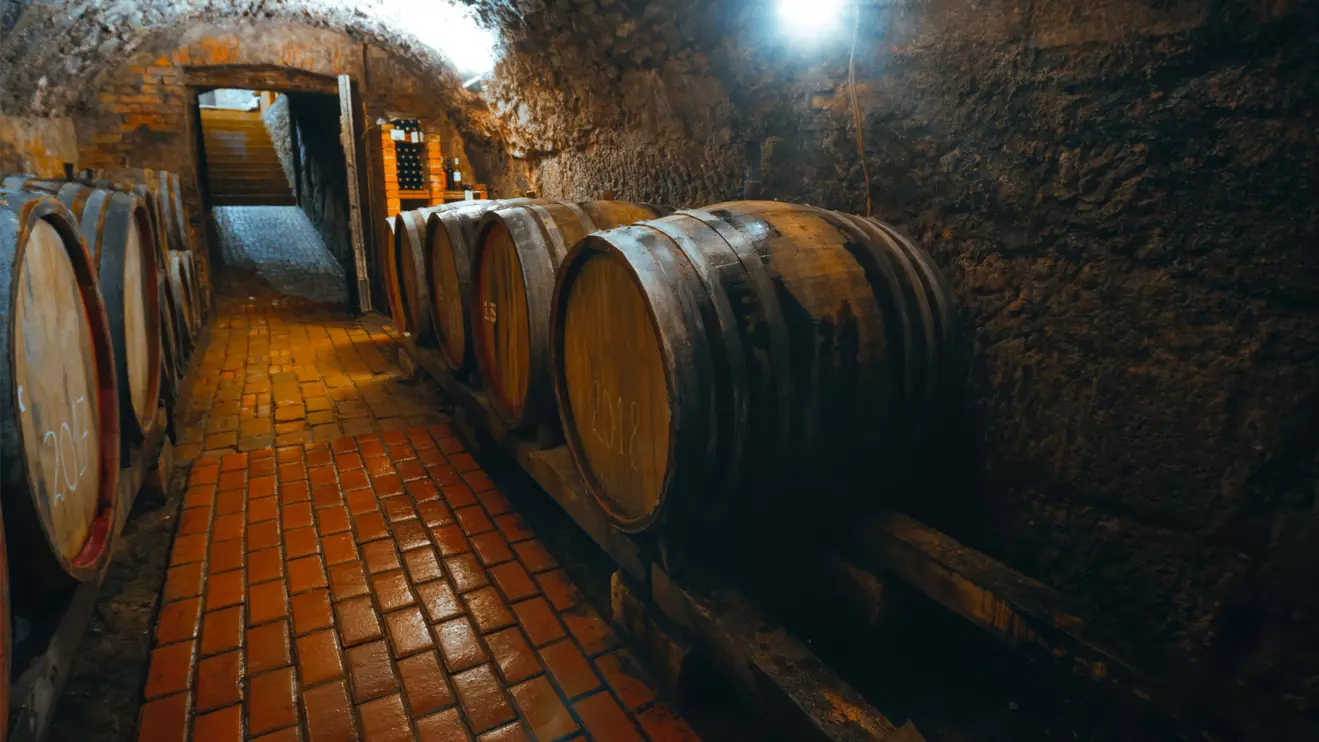
No more missiles, just Merlot © Mena Today
Lebanese MP Adib Abdel Massih has unveiled a rather unexpected proposal: transform the Hezbollah-dug tunnels in South Lebanon into wine caves. Yes, wine caves.
“An underground full of bottles, not bombs,” the MP posted on X (formerly Twitter), shortly after suggesting that the tunnels discovered by the Lebanese Army and UNIFIL since the November 27 ceasefire should not be destroyed, but instead repurposed for economic and touristic use.
The ceasefire, which ended 13 months of hostilities between Hezbollah and Israel, paved the way for increased army deployment and the uncovering of several subterranean passages previously used for military purposes south of the Litani River.
Abdel Massih’s vision? A Lebanese version of Mileștii Mici, the world-famous Moldovan wine cellars—originally quarries, possibly military in use, and now home to over 1.5 million bottles of wine, some dating back to 1968.
“If Moldova could turn underground wartime infrastructure into a global wine destination,” the MP argued, “why not us?”
He imagines cool, dark tunnels where Cabernet replaces conflict, and aging Merlot takes precedence over military maneuvering.
A Toast to Transformation
The proposal, while still more fantasy than firm policy, has already sparked attention in Lebanese media—and raised eyebrows among both oenophiles and skeptics.
“Turning disputed zones into productive national sites,” Abdel Massih declared, “shows that we, as Lebanese, can turn challenges into opportunities—just as we can turn our differences into sources of richness and unity.”
Whether or not the wine caves ever materialize, one thing’s for sure: in a region too often known for bunkers and borders, the idea of barrels over barricades is one vintage worth exploring.
Israel's army radio (GLZ) announced Thursday a "significant" reduction in the number of brigades deployed in the occupied "buffer zone" in southern Lebanon.
Thousands of newcomers are joining returning evacuees, a quiet verdict on who won the southern front.
Turkish President Tayyip Erdogan said it was unrealistic to expect all countries to make the same progress on climate policy while inequalities in access to financing and technology persisted, adding he expected support from all nations for Turkey's COP31 Climate Summit action agenda.

To make this website run properly and to improve your experience, we use cookies. For more detailed information, please check our Cookie Policy.
Necessary cookies enable core functionality. The website cannot function properly without these cookies, and can only be disabled by changing your browser preferences.