The United Arab Emirates said on Tuesday said it was pulling out its remaining forces in Yemen after Saudi Arabia backed a call for UAE forces to leave the country within 24 hours.
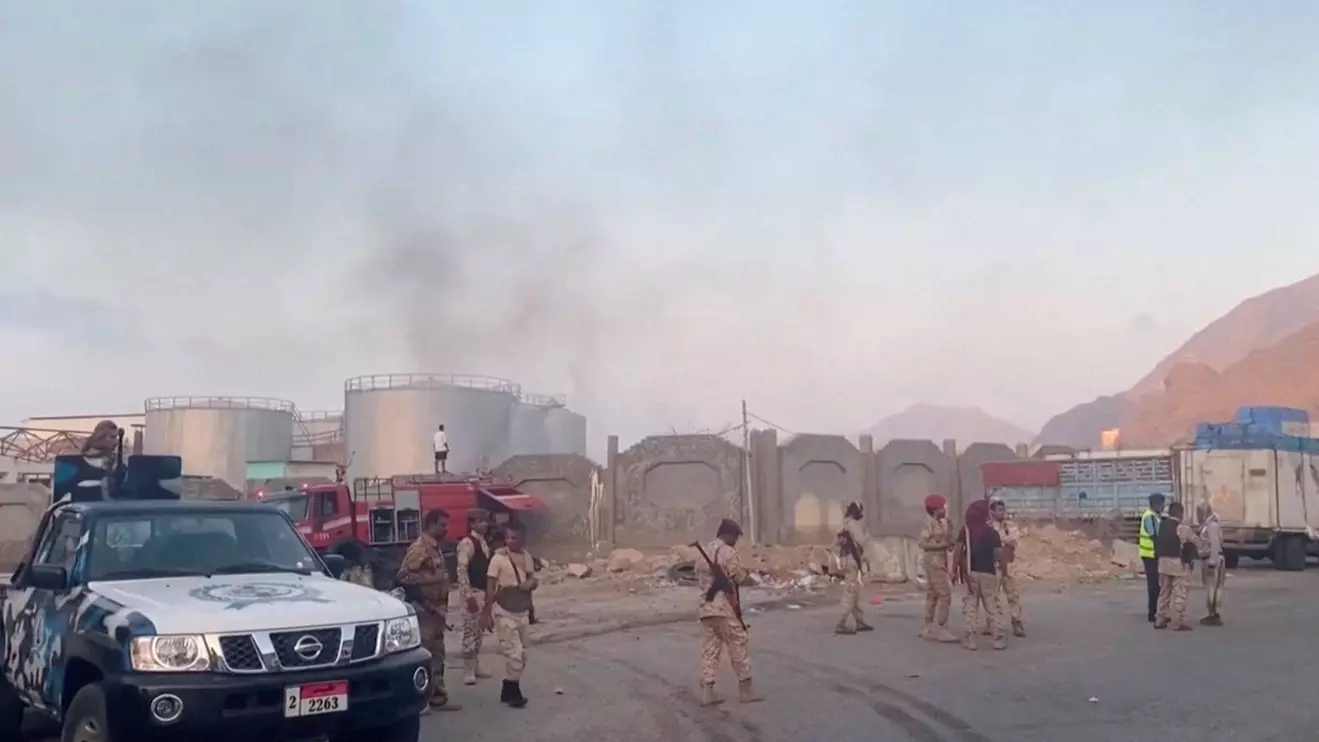
The move followed a Saudi-led coalition airstrike on the southern Yemeni port of Mukalla.
The attack on what Riyadh said was a UAE-linked weapons shipment marked the most significant escalation between Riyadh and Abu Dhabi to date in a widening rift between the two Gulf powers.
Once the twin pillars of regional security, the two Gulf heavyweights have seen their interests diverge on everything from oil quotas to geopolitical influence.
Declaring its national security a red line, Saudi Arabia earlier on Tuesday alleged the UAE had pressured Yemen's southern separatists to conduct military operations that had reached the kingdom's borders.
It was Riyadh's strongest language yet against the UAE in the falling-out between the neighbours, who once cooperated in a coalition against Yemen’s Iran‑aligned Houthis but whose interests in Yemen have steadily grown apart in recent years.
Frictions grew inside the coalition as Abu Dhabi backed southern separatists seeking self-rule, while Riyadh kept supporting Yemen's internationally recognised government, eventually creating an open rift between the Gulf allies.
On Tuesday the coalition struck what it said was a dock used to provide foreign military support to the UAE-backed separatists. The head of Yemen's Saudi-backed presidential council gave Emirati forces an ultimatum of 24 hours to leave.
The UAE said in a statement that it had been surprised by the airstrike, and that the shipment that had been attacked did not contain weapons and was destined for Emirati forces.
Yemen's presidential council head, Rashad al-Alimi, cancelled a defence pact with the UAE, the Yemeni state news agency said, and accused the UAE in a televised speech of fuelling strife in Yemen with its support for the separatist Southern Transitional Council (STC).
"Unfortunately, it has been definitively confirmed that the United Arab Emirates pressured and directed the STC to undermine and rebel against the authority of the state through military escalation," he said.
The UAE earlier stressed that "dealing with recent developments must be done responsibly and in a way that prevents escalation, based on reliable facts and existing coordination between the concerned parties."
Major stock indexes in the Gulf fell.
Saudi Arabia and the UAE are both major players in the OPEC oil exporters' group, and any disagreements between the two could hamper consensus on oil output decisions.
They and six other OPEC+ members are meeting online on Sunday, and OPEC+ delegates say they will continue their current policy for no change in first-quarter production.
By Yomna Ehab, Nayera Abdallah and Maha El Dahan