In the wake of the recent assassination of senior Hamas figure Saleh al-Arouri in Beirut, many Israelis perceive the city as a stronghold of Hezbollah members. However, few may be aware of the deep-rooted history of Jewish presence in Lebanon that existed for centuries, even until relatively recent times.
Historical records indicate that before the Six-Day War and the Operation Peace for Galilee in 1982, thousands of Jews called Lebanon their home. This community continued a longstanding tradition of Jewish presence in the country, which can be traced back for centuries. At its zenith, estimates suggest that Lebanon was home to a Jewish population ranging between 12,000 to 20,000 individuals, as reported by the Israeli newspaper Yedioth Ahronoth.
Lebanon, a country known for its rich cultural and religious diversity, has also been home to a small but historically significant Jewish community. While the Jewish population in Lebanon has dwindled over the years, its presence has left an indelible mark on the country's history and heritage.The Jewish presence in Lebanon dates back centuries, with communities established in various regions of the country. Beirut, the capital city, had a particularly vibrant Jewish community. Jewish immigrants arrived in Lebanon during different periods, including Roman times, the Ottoman Empire era, and later during the French Mandate.
Lebanese Jews played a significant role in various aspects of Lebanese society. They were engaged in commerce, trade, and various professions, contributing to the economic and cultural fabric of the country. Jewish synagogues, schools, and cultural centers were an integral part of Lebanon's diverse religious landscape.
The Jewish population in Lebanon began to decline significantly in the mid-20th century. Political instability and regional conflicts, particularly the Arab-Israeli conflict, contributed to the emigration of many Lebanese Jews.
The Lebanese Civil War (1975-1990) further accelerated this trend, with many Jews leaving the country for safety and security reasons.
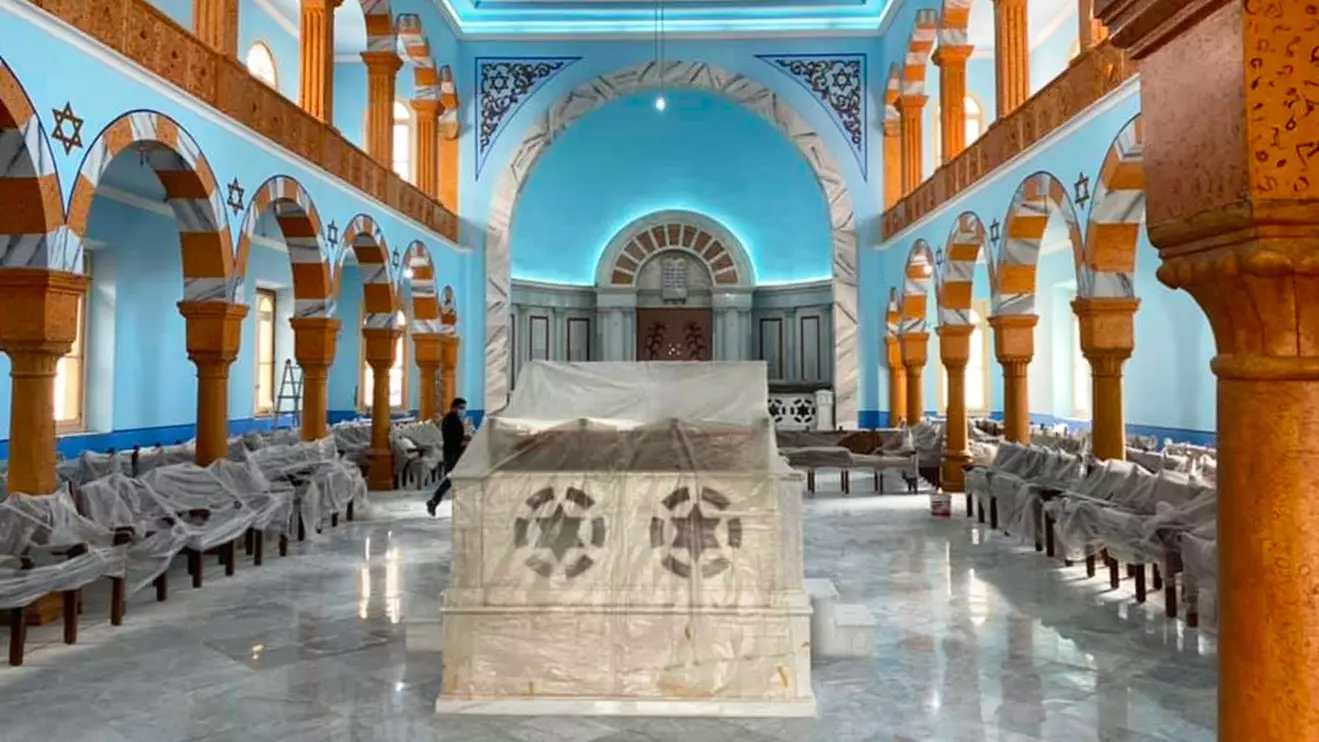
Today, Lebanon's Jewish community is extremely small, with only a handful of individuals remaining. The Maghen Abraham Synagogue in Beirut, once a thriving center of Jewish life, stands as a historical testament to the community's legacy.
Efforts are being made to preserve the cultural and historical heritage of Lebanon's Jewish community. Initiatives to document their history, traditions, and contributions are ongoing. The Lebanese government, along with organizations and individuals, recognizes the importance of safeguarding this part of the country's diverse heritage.
The Jewish presence in Lebanon, while greatly diminished, is an integral part of the country's history and cultural tapestry.
It reflects Lebanon's longstanding tradition of religious coexistence and diversity. Efforts to document and preserve this heritage serve as a reminder of Lebanon's multicultural past and the importance of preserving its historical legacy for future generations.