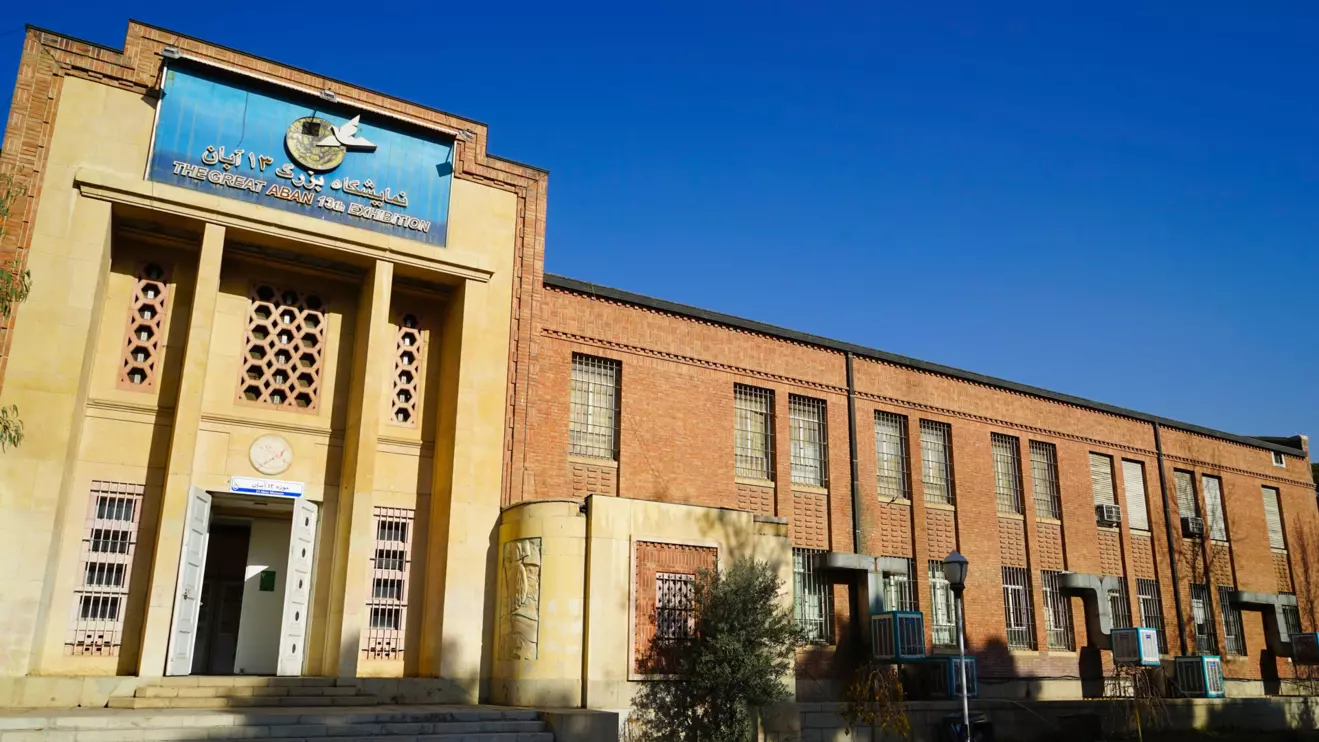
Hundreds of Iranians gathered in central Tehran on Sunday to commemorate the 45th anniversary of the 1979 U.S. Embassy hostage crisis, a landmark event in the history of U.S.-Iran relations.
The protesters, waving Iranian, Palestinian, and Hezbollah flags, filled the streets in front of the former U.S. embassy building, holding banners with slogans such as “Death to America” and “Death to Israel” in Persian and English.
Since Saturday morning, Iran’s state media has been broadcasting revolutionary songs denouncing what they describe as U.S. “crimes” against the Iranian people, echoing the sentiments that fueled the original 1979 embassy siege.
That year, on November 4, student revolutionaries stormed the American embassy, accusing it of being a “nest of spies.” The students demanded the extradition of the Shah, who was in exile in the United States, to face trial in Iran. The crisis persisted for 444 days, during which 52 American diplomats were held hostage, only to be released after the Shah’s death in Egypt.
The anniversary event took place amid heightened tensions with Israel, considered Iran’s adversary in the region. Israel is currently engaged in conflict with Gaza’s Hamas forces and, on its northern border, with Hezbollah, an Iran-backed group. On October 26, Israel publicly acknowledged targeting Iranian military sites for the first time, following missile strikes allegedly originating from Iran on October 1.
The attack reportedly claimed the lives of at least four Iranian military personnel, according to Tehran.
In a response to recent developments, Iran’s Supreme Leader Ayatollah Ali Khamenei vowed on Saturday to respond to any attack from Israel or its ally, the United States, on Iran or its regional affiliates.
Meanwhile, the U.S. announced on Friday additional military deployments in the Middle East, aimed at reinforcing defense capabilities against missile threats, with plans to station combat aircraft and bombers “in the coming months” to bolster Israel’s security and act as a deterrent to Iran.
The symbolic gathering in Tehran thus reflects both historical animosity and the ongoing geopolitical strain involving Iran, the U.S., and Israel, underscoring the complexity of alliances and hostilities in the region.