Iran
The clock is ticking on the last diplomatic off-ramp
For years, Western policy toward Iran has been built on a quiet assumption: that the Islamic Republic can be managed, delayed, contained, but not fundamentally confronted.
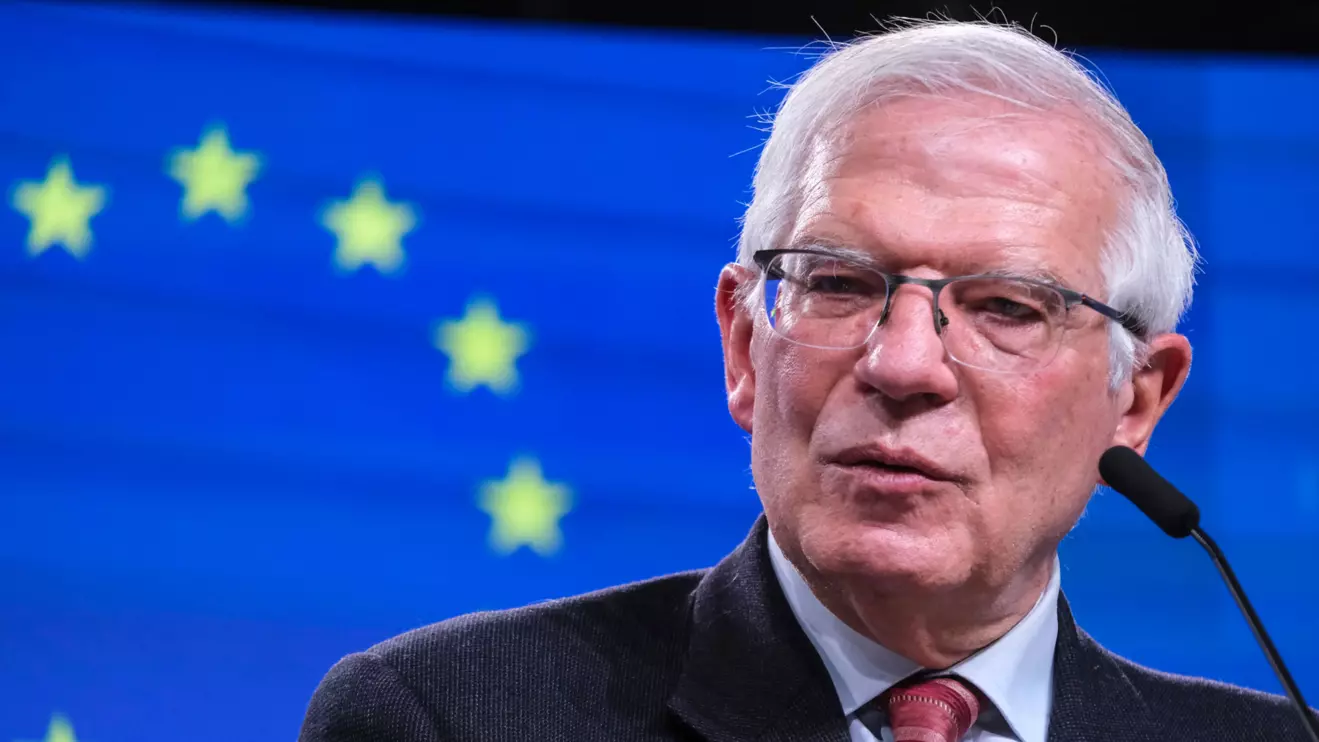
According to Josep Borrell, the High Representative of the EU for Foreign Affairs, the European Union's foreign ministers agreed on expanding the existing sanctions on Iran
Josep Borrell © Mena Today
According to Josep Borrell, the High Representative of the EU for Foreign Affairs, the European Union's foreign ministers agreed on expanding the existing sanctions on Iran, following its attack against Israel.
He added that the purpose of the sanctions is to reduce Iran's supply of UAVs to Russia, and the supply of missiles to Tehran's proxies in the Middle East.
For years, Western policy toward Iran has been built on a quiet assumption: that the Islamic Republic can be managed, delayed, contained, but not fundamentally confronted.
Iran’s top diplomat said on Friday that nuclear talks with the U.S. mediated by Oman were off to a “good start” and set to continue, in remarks that could help allay concern that failure to reach a deal might nudge the Middle East closer to war.
The United Arab Emirates has drafted plans to build a compound to house thousands of displaced Palestinians in a part of south Gaza under Israeli military control, according to a map seen by Reuters and people briefed on the plans.
To make this website run properly and to improve your experience, we use cookies. For more detailed information, please check our Cookie Policy.
Necessary cookies enable core functionality. The website cannot function properly without these cookies, and can only be disabled by changing your browser preferences.
