Iran
Liberation is not a slogan. It is a set of decisions
Seven months into this war, the Islamic Republic is in the tightest corner of its forty-seven years. That is not cheerleading; it is arithmetic.

When leaders gather in Evian (France) next month, they will do what they always do: negotiate, issue a communiqué, and leave believing they have accomplished something.
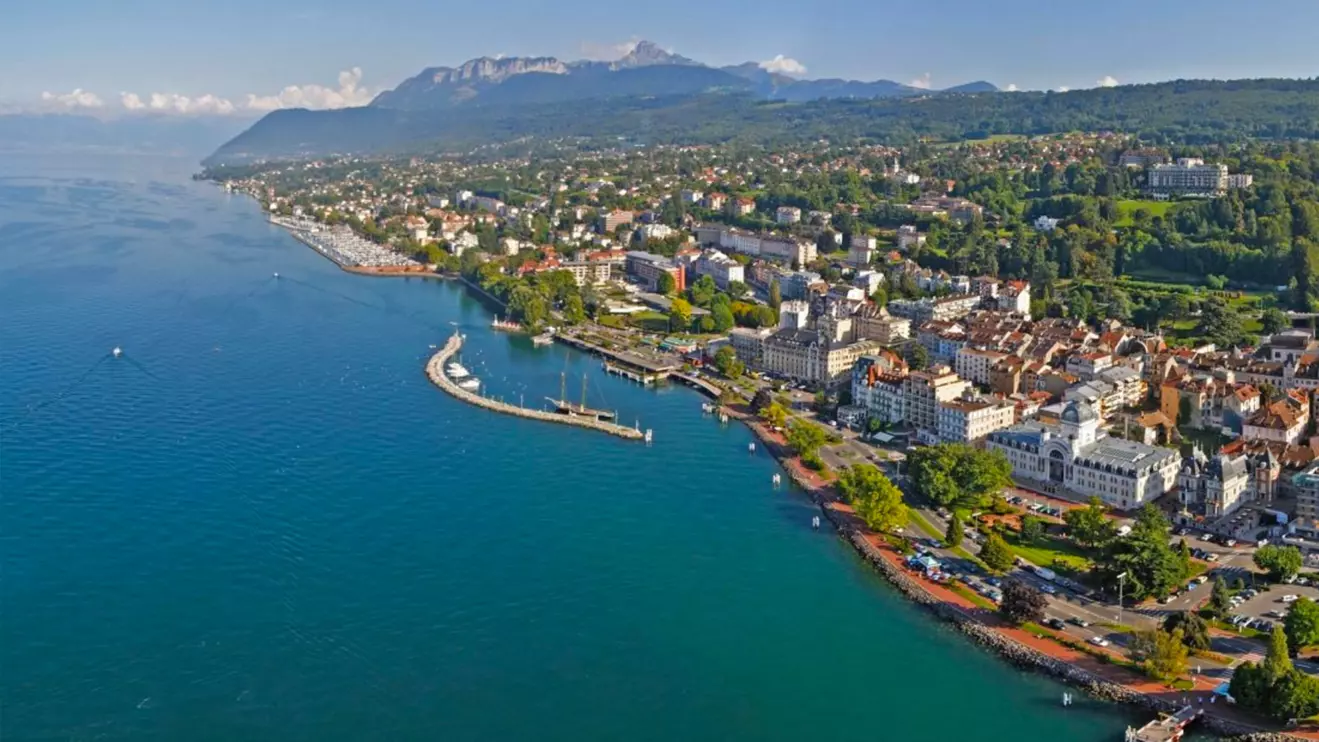
Evian, France © Mena Today
When leaders gather in Evian (France) next month, they will do what they always do: negotiate, issue a communiqué, and leave believing they have accomplished something.
They will not have. What they will have demonstrated, once again, is that the G7 no longer shares a worldview. And without a shared worldview, an alliance is just a meeting.
Trump sees the world as a portfolio of transactions. Alliances are evaluated by bilateral benefit. Aid extracts concessions. Trade is a zero-sum game. Climate commitments are luxuries. This is not irrational, it is simply a different logic from the one that built the postwar order.
That order rested on a different premise: that Western democracies have aligned interests that outweigh their competitive ones, and that coordinating within a system, even at some cost to unilateral freedom, produces better outcomes than competing within it.
Trump does not believe this. And he is not entirely wrong.
NATO members do not spend equally on defence. Europe depends on American security while resisting American strategic direction. International institutions produce endless meetings and minimal results. When Trump asks why America should subsidise European security, it is a legitimate question. When he demands NATO allies meet their spending commitments, he is right.
The problem is not the questions. The problem is that asking them this way makes building anything durable impossible.
What transactions cannot solve
China's dominance of supply chains cannot be broken by America alone. AI governance cannot be imposed by one nation. Iran cannot be contained without coordinated strategy. Russia cannot be managed through bilateral deals when it has decided its interest lies in perpetual disruption.
The postwar architecture solved a specific problem: how do rival powers cooperate on existential threats without requiring trust? The answer was institutions, rules, and binding commitments that made defection visible and costly. It worked not because of goodwill — but because of consequences.
Trump's approach assumes either that the world is stable enough for pure competition, or that American power is sufficient to dominate without coordinated allies. The first assumption is increasingly wrong. The second has never been true.
What Evian will produce
At Evian, Trump will propose deals. Trade agreements conditional on defence spending. AI standards that favour American companies. Critical minerals arrangements. Some will be accepted. None of it will repair what is actually breaking: the shared belief that Western powers are in this together.
The summit will produce a communiqué that papers over the divisions. Vague language on climate. Symbolic commitments on AI. Nothing that changes the fundamental trajectory.
Trump is right that the old alliance system was flawed. But being right about the problems does not make you right about the solutions. Replacing a flawed architecture with no architecture is not a victory. It is an abdication.
If the postwar order breaks without something coherent replacing it, the world does not become safer. It becomes more fragmented, more prone to miscalculation, and more dangerous. China advances. Russia fills vacuums. Smaller nations hedge and arm.
The real question at Evian is not whether the G7 survives. It is whether anyone in the room has thought seriously about what should replace it.
History suggests they have not.
Seven months into this war, the Islamic Republic is in the tightest corner of its forty-seven years. That is not cheerleading; it is arithmetic.
Israel goes to the polls on October 27 in what may be its most consequential election in years - the first since October 7, the wars with Hamas and Hezbollah, and the seven-month conflict with Iran.
The new year began with a scandal. A documentary built on the testimony of twenty-four anonymous Israeli soldiers and intelligence officers won a prize in Venice and set off a fury at home. The chief of staff has ordered a legal hunt for the sources; the culture minister speaks of treason.
To make this website run properly and to improve your experience, we use cookies. For more detailed information, please check our Cookie Policy.
Necessary cookies enable core functionality. The website cannot function properly without these cookies, and can only be disabled by changing your browser preferences.