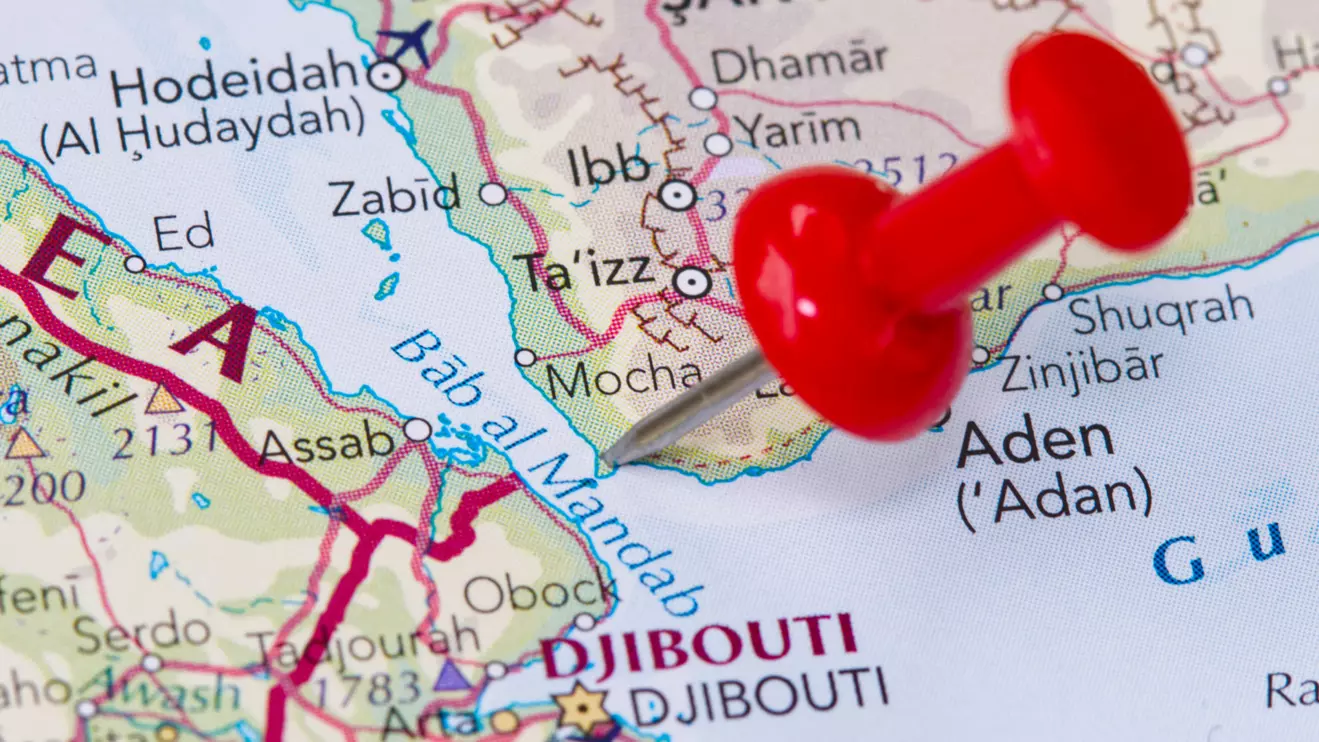
Members of the U.N. Security Council on Wednesday called on Yemen's Houthis to halt their attacks on shipping in the Red Sea and Gulf of Aden, saying they threatened regional stability, global freedom of navigation and food supplies.
Addressing the council's first formal meeting of 2024, members also demanded that the Houthis release Galaxy Leader, a Japanese-operated cargo ship linked to an Israeli company, and its crew, which the group seized on Nov. 19.
The United States believes the situation has reached an "inflection point," said Chris Lu, a U.S. representative to the United Nations.
"These attacks pose grave implications for maritime security, international shipping and commerce, and they undermine the fragile humanitarian situation in Yemen," threatening the delivery of aid, Lu said.
"The Security Council should not let this continue. In this regard, and in view of the urgency and the importance of the matter, Japan believes the Security Council should take an appropriate action to deter additional threats by the Houthis and maintain international peace and security," Japan's ambassador to the United Nations, Kazuyuki Yamazaki, told the Council.
Yemen's Iran-backed Houthis said on Wednesday they had "targeted" a container ship bound for Israel, a day after the U.S. Central Command (CENTCOM) said the militant group had fired two anti-ship ballistic missiles in the southern Red Sea.
Reporting by Jonathan Landay and Daphne Psaledakis; Editing by Leslie Adler and Sandra Maler