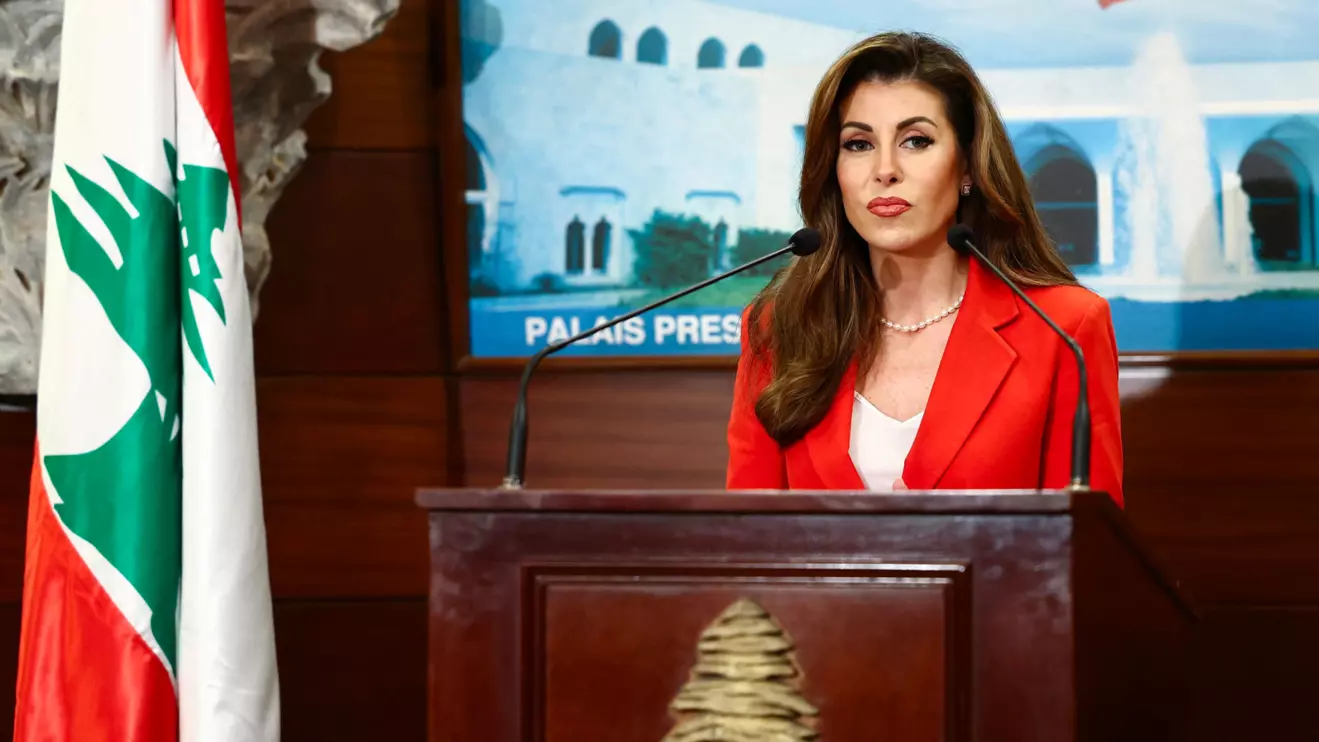
The United States has set a "red line" that Shi'ite armed group Hezbollah should not be a member of Lebanon's next government after itr military defeat by Israel last year, U.S deputy Middle East envoy Morgan Ortagus said in Lebanon on Friday.
Ortagus is the first senior U.S. official to visit Lebanon since U.S. President Donald Trump took office and since Joseph Aoun was elected president in Lebanon.
Her visit comes amid a stalled cabinet formation process in Lebanon, where government posts are apportioned on sectarian lines. Hezbollah's ally Amal has insisted on approving all Shi'ite Muslim ministers, keeping the process in deadlock.
Speaking to reporters after meeting President Aoun, Ortagus said she was "not afraid" of Iran-backed Hezbollah "because they've been defeated militarily," referring to last year's war between the group and Israel.
"And we have set clear red lines from the United States that they won't be able to terrorize the Lebanese people, and that includes by being a part of the government," she said.
Ortagus had been widely expected to deliver a tough message to Lebanese officials about Hezbollah, which was battered by months of Israeli air strikes and ground operations in southern Lebanon last year.
Fighting ended in late November with a ceasefire brokered by the United States and France that set a deadline of 60 days for Israel to withdraw from south Lebanon, Hezbollah to pull out its fighters and arms and Lebanese troops to deploy to the area.
That deadline was extended to Feb. 18. Ortagus referred to the new date on Friday but did not explicitly say the Israeli army (IDF) would withdraw from Lebanese territory.
"February 18 will be the date for redeployment, when the IDF troops will finish their redeployment, and of course, the (Lebanese) troops will come in behind them, so we are very committed to that firm date," she said.
Ortagus is expected to meet Lebanese prime minister-designate Nawaf Salam, Lebanon's parliament speaker Nabih Berri - who also heads Amal - and make a trip to southern Lebanon with the Lebanese army.
Reporting by Maya Gebeily