Iran
The Iran deal that could become a nightmare for Israel
There are bad deals. There are weak deals. And then there are deals that dress surrender as diplomacy, and ask Israel to applaud while the knife is being sharpened.

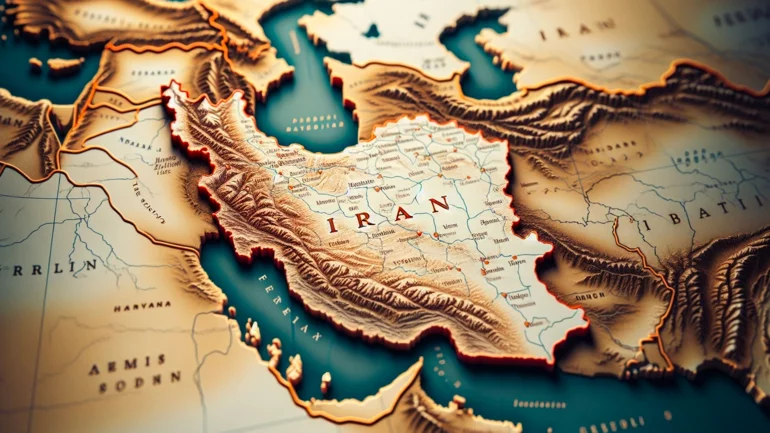
There are bad deals. There are weak deals. And then there are deals that dress surrender as diplomacy, and ask Israel to applaud while the knife is being sharpened.
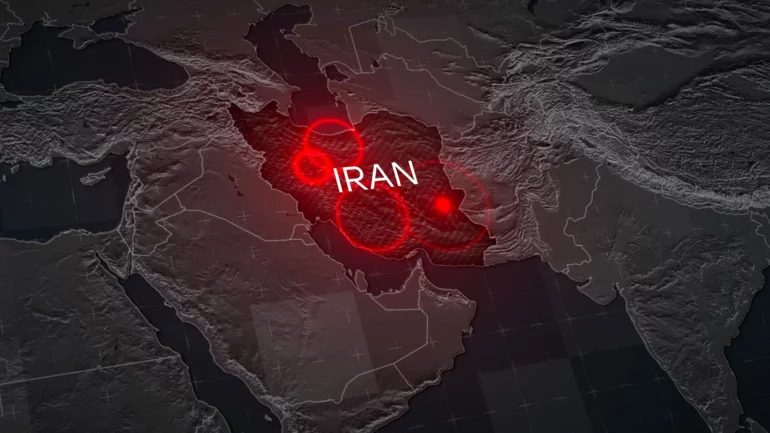
America has to stop lying to itself about Iran. The United States is not being dragged into a war because of Israel.
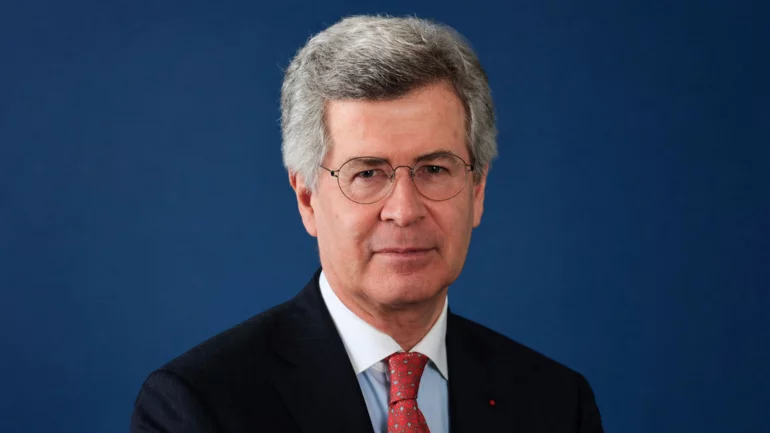
I am not a diplomat or a security analyst. My passion in life has always been to build bridges, to use whatever reach I had to move things in a positive direction.
Israel has had friends in the White House before. Harry Truman recognized the Jewish state at its birth. Richard Nixon understood during the Yom Kippur War that delay could be fatal. Those were consequential acts, and history rightly honors them.
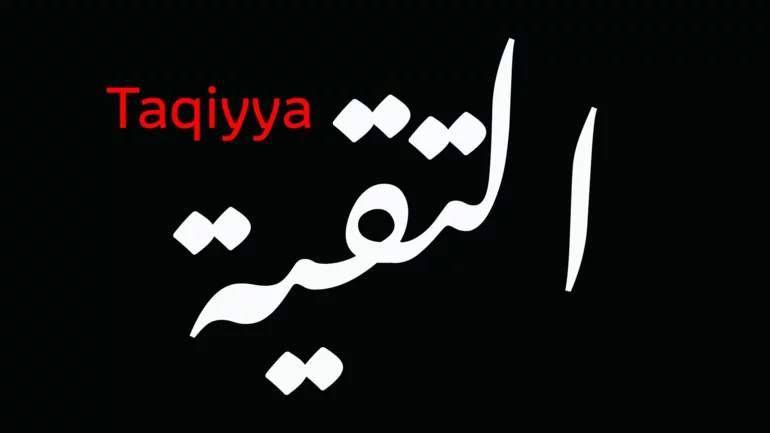
There is a mistake many still make when speaking about Iran. They turn the argument into theology, as if the central question were a religious word like taqiyya.
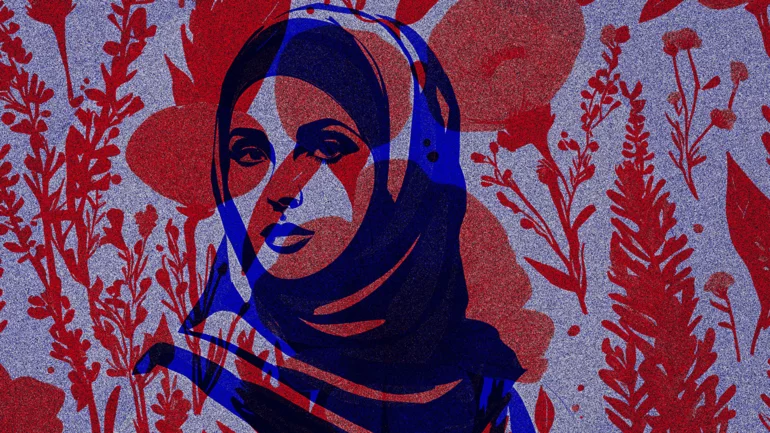
The first falsehood to clear away is this: what Israel and the United States are doing is not a war on Iran. It is a confrontation with the Islamic Republic, the dictatorship that has ruled Iran since 1979, oppressed its own citizens, and turned a civilization of enormous depth and distinction into the instrument of a theocratic project.
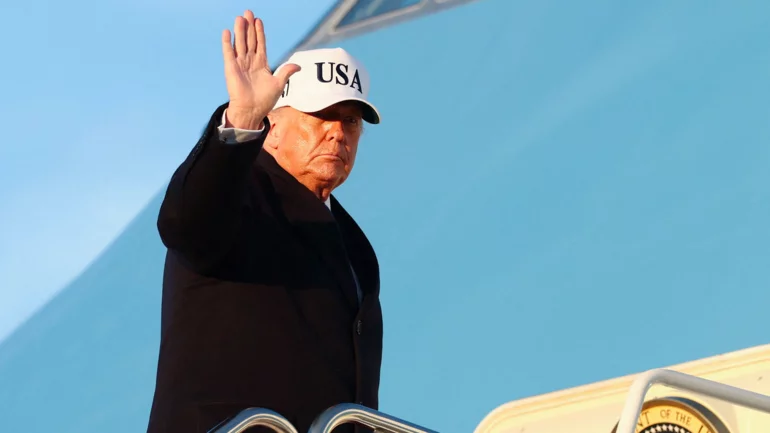
What the United States and Israel are doing in Iran in 2026 is driven by a lesson written in blood: never again.

Alliances are easy in times of comfort. Governments sign papers. Leaders shake hands. Speeches are made about friendship and partnership.
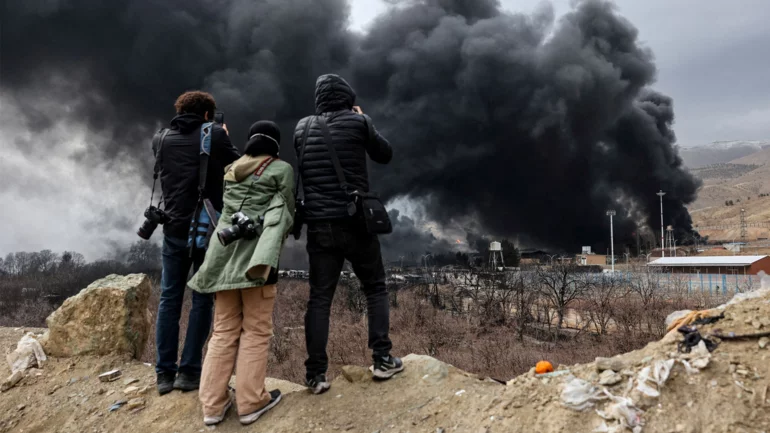
For too long, the West treated Iran’s nuclear program as a negotiable irritant and its missile arsenal as a manageable nuisance. That fiction is over.
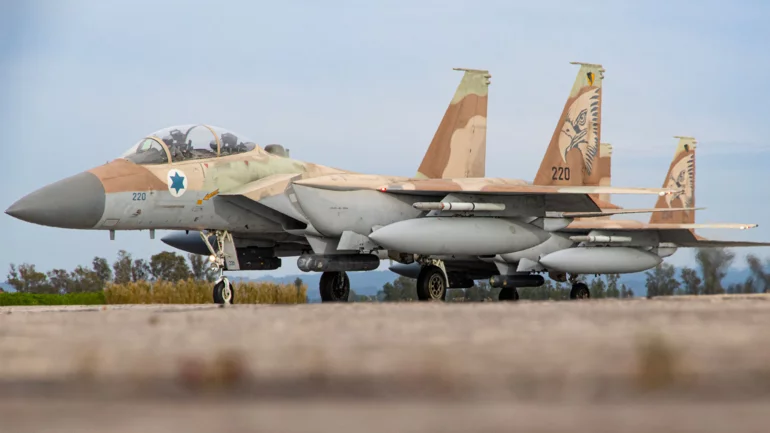
For decades, the Islamic Republic of Iran has said, loudly and repeatedly, that it wants Israel wiped from the face of the earth. The world mostly nodded, filed the rhetoric away, and moved on. Israel could not afford to.
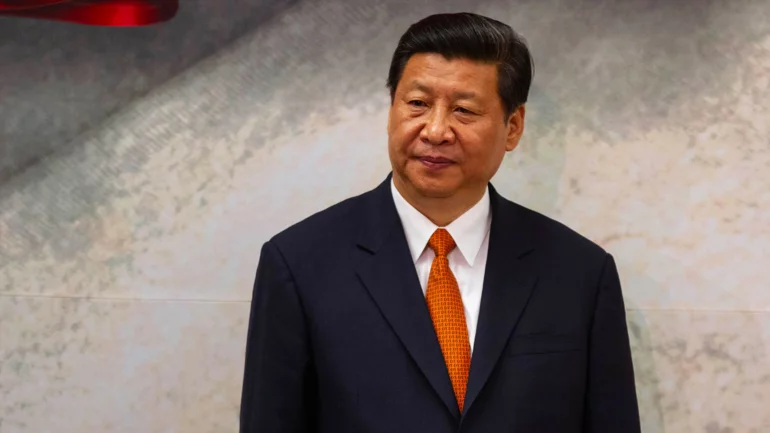
The strategic intimacy between Xi Jinping and Iran is not an accident of diplomacy. It is a feature of a far more brutal design: a global system where massive Chinese trade surpluses weaken Western economies while financing instability abroad.
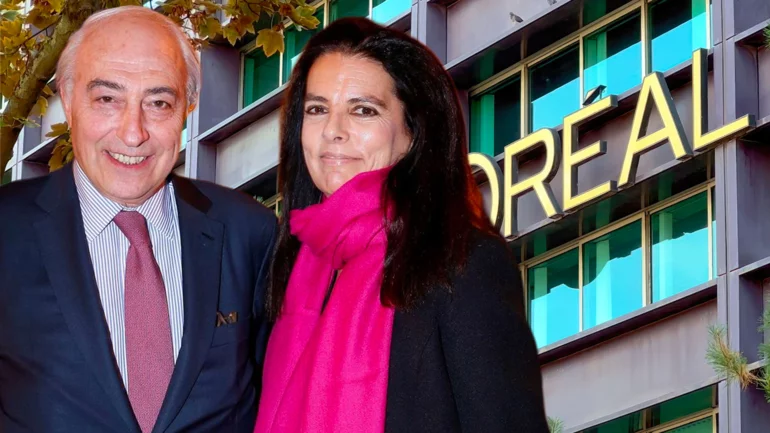
The history of L’Oréal stands as one of the most complex corporate narratives of the twentieth and twenty-first centuries.
To make this website run properly and to improve your experience, we use cookies. For more detailed information, please check our Cookie Policy.
Necessary cookies enable core functionality. The website cannot function properly without these cookies, and can only be disabled by changing your browser preferences.