Iran
Force without understanding: Why Washington still misreads Tehran
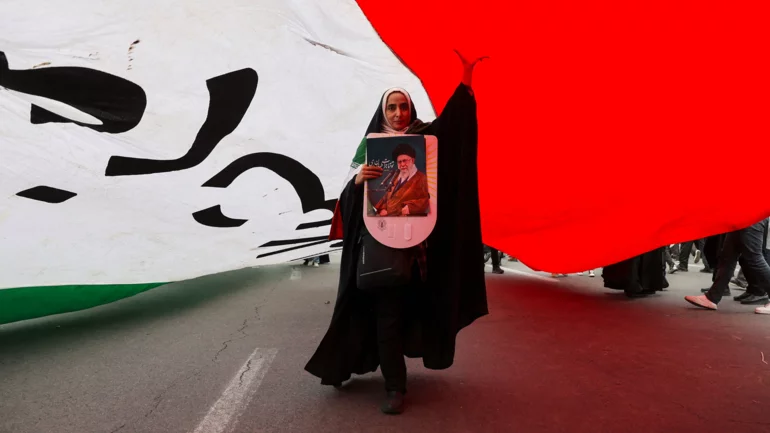
For more than four decades, the United States has struggled to develop a coherent strategy toward the Islamic Republic of Iran.
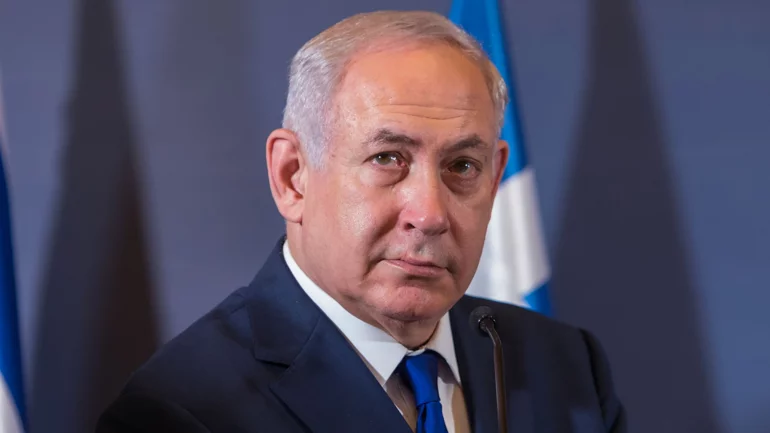
When Prime Minister Benjamin Netanyahu meets President Donald Trump on Wednesday, the agenda will be formally “Iran.”
For years, Western policy toward Iran has been built on a quiet assumption: that the Islamic Republic can be managed, delayed, contained, but not fundamentally confronted.
For years, the Iran debate has been trapped in a lazy binary: deal or war, diplomacy or regime change, restraint or strike.
MBS’s Saudi Arabia has changed. Not in the caricatured sense of “going Islamist,” but in a way that can be strategically dangerous for Israel if Jerusalem keeps reading Riyadh through an old lens.
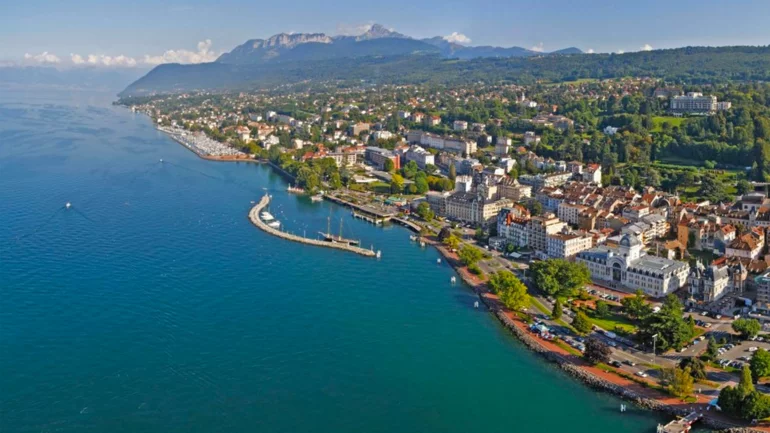
A former French president’s private admission reveals the West’s original mistake—and why it still shapes the region
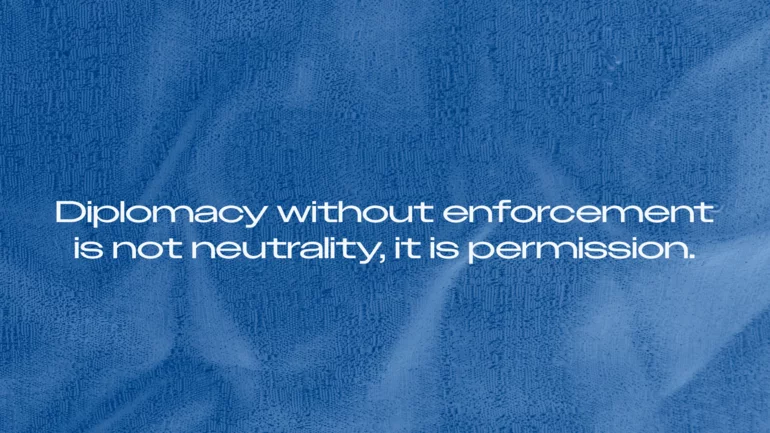
Every time Iran enters survival mode, diplomacy becomes a tool of the regime, not a constraint on it. Talks buy time. Time reduces pressure. Pressure fades , and repression resumes. This is not miscalculation; it is strategy
History rarely offers clean victories. Transformational moments tend to emerge from prolonged tension, moral ambiguity, and leaders willing to act when outcomes are uncertain. The Iranian crisis sits firmly within this historical pattern.
Iran in 2026 is no longer a question of trendlines or theories. It is a question of timing.
Venezuela should be understood on its own terms before it is read as a symbol. For years the country has been trapped in a downward spiral marked by economic collapse mass migration weakened institutions and a ruling system that survived not by legitimacy but by insulation.
The Middle East rarely falls into war because of one bomb, one speech, one headline. It falls into war when pressures align and every player decides that acting first is safer than waiting.
The confrontation between Iran and Israel is often described as inevitable. It is not. What is inevitable is something far more specific and far more consequential a reckoning between a regime that seeks permanent leverage and a state that cannot afford permanent vulnerability.
To make this website run properly and to improve your experience, we use cookies. For more detailed information, please check our Cookie Policy.
Necessary cookies enable core functionality. The website cannot function properly without these cookies, and can only be disabled by changing your browser preferences.