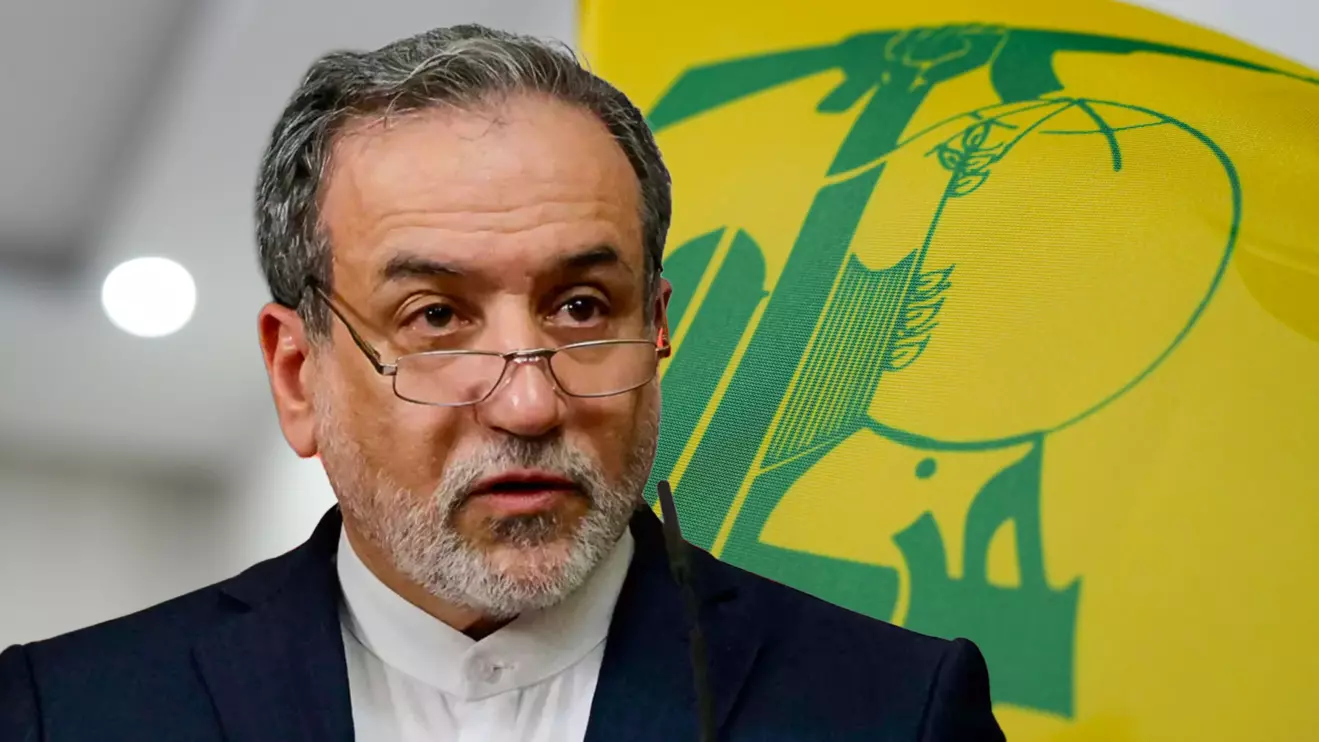
Iranian Foreign Minister Abbas Araghchi is set to visit Beirut on Saturday, according to Saudi channel al-Hadath and confirmed by a diplomatic source to L'Orient-Le Jour, as Lebanon attempts to recalibrate its relationship with Tehran.
The visit comes after Lebanese Foreign Minister Abdallah Bou Habib declined an invitation to Tehran in December, proposing instead a meeting on neutral ground. Araghchi expressed understanding and indicated his willingness to travel to Beirut if invited.
Iranian Foreign Ministry spokesman Ismail Baghaei reaffirmed Monday that Iran remains "determined to continue and deepen" relations with Lebanon despite growing diplomatic tensions. "Our relations with Lebanon are long-standing and friendly, and we are constantly determined to pursue and strengthen them," Baghaei stated at a press conference.
Hezbollah's Diminished but Persistent Shadow
Relations between Beirut and Tehran have deteriorated in recent months as Lebanon seeks to distance itself from Iranian influence, which for years has been exercised primarily through Hezbollah.
The terrorist group, while significantly weakened following recent conflicts with Israel, continues to represent a threat both to Lebanese sovereignty and regional stability.
Bou Habib told al-Jazeera in December that Iran's role in Lebanon and the region has fueled instability. He emphasized that Beirut would only accept dialogue on the condition that Tehran cease interfering in Lebanon's internal affairs and stop funding what he termed "an illegal group" — a clear reference to Hezbollah.
Despite losing considerable military capability and political clout, Hezbollah remains a destabilizing force. The group still maintains armed presence in Lebanon in defiance of state authority and continues to pose a security threat to Israel, complicating Lebanon's efforts to establish full sovereignty and normalize regional relations.
The outcome of Araghchi's visit will test whether Iran can accept Lebanon's push for independence or whether Tehran will continue attempts to maintain influence through its weakened but still dangerous proxy.