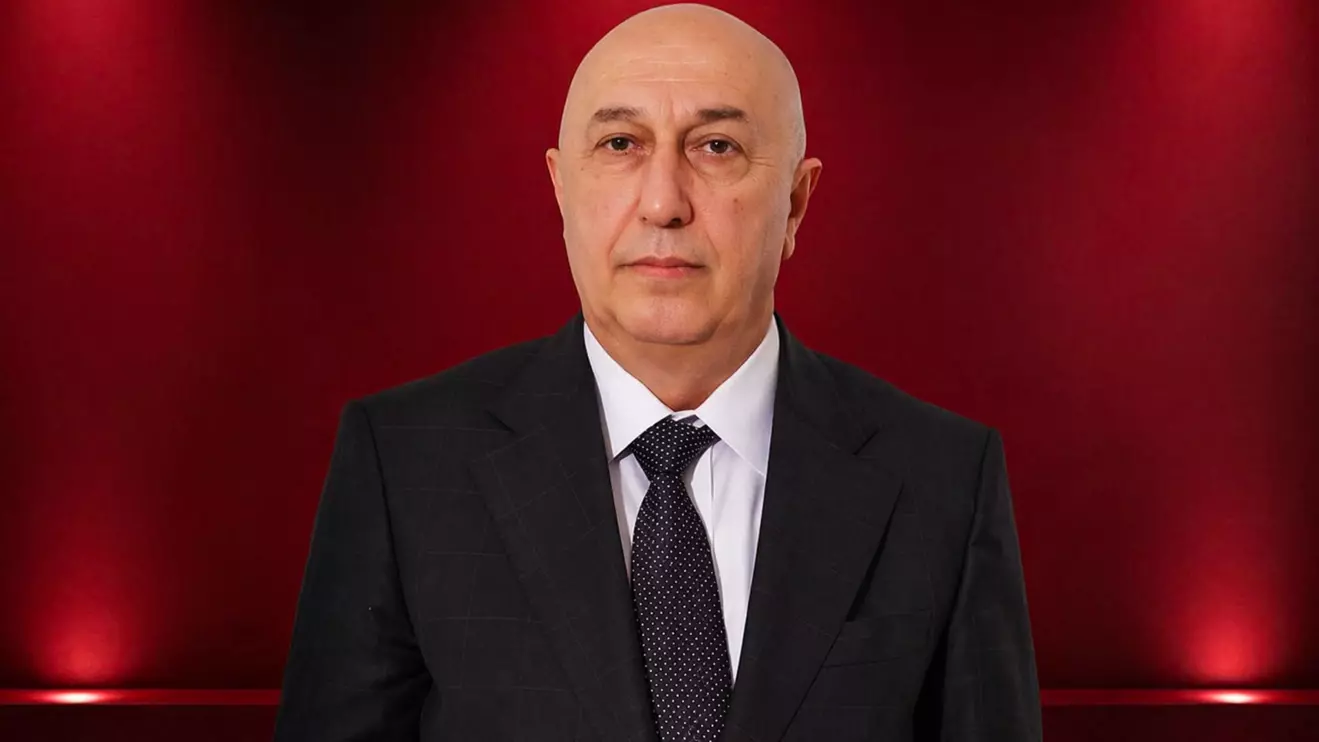
Iraq's parliament has elected Kurdish politician Nizar Amedi as the country's new president on Saturday, marking a significant moment in the nation's political transition following parliamentary elections held in November.
Amedi's election follows a long-standing informal power-sharing arrangement in Iraq, known as the "muhasasa" system, under which the presidency is traditionally reserved for a Kurdish politician, the prime ministership for a Shia Arab, and the speakership of parliament for a Sunni Arab.
His election is consistent with this established political framework that has governed Iraqi politics since the fall of Saddam Hussein in 2003.
While the Iraqi presidency is largely a ceremonial role, it carries symbolic weight in a country that continues to navigate deep ethnic and sectarian divisions. The election of a new president signals the completion of the government formation process that began with the November parliamentary vote.
Iraq, home to one of the world's largest oil reserves, faces considerable challenges ahead, including persistent security threats, widespread corruption, crumbling public infrastructure and growing pressure from its two most powerful neighbours, the United States and Iran, whose rivalry plays out acutely on Iraqi soil.
The new president will be expected to serve as a unifying figure, bridging the country's complex political and ethnic fault lines at a time of heightened regional tension, as the wider Middle East continues to grapple with the fallout from the ongoing conflict involving Iran, Israel and their respective allies.